
Space Center Houston: Where the sky and dreams have no limits
Welcome to my complete visitors’ guide to NASA’s Space Center Houston! Are you ready for an exciting adventure through past, present, and future space missions? 3… 2… 1… Lift off!
One afternoon during a short stay in Houston, I visited the Space Center with the intention of spending only two or three hours there. I must confess that I’ve never been a big fan of space missions.
However, in some way, I got captivated by Space Center Houston and, as closing time approached, I hadn’t yet explored all the exhibition areas I wanted to see. I had lost track of time. So, I turned to a security officer and jokingly said: “Houston, we have a problem: I’m leaving tomorrow night, and I haven’t had the chance to try the simulators! The response was: “You have two options: either come back tomorrow or become an astronaut.” And guess what I did?
The following day I was not only able to truly explore every corner of the Space Center Houston and try out the simulators, but I also participated in two NASA VIP Tours, which I will tell you about later.
Through these VIP tours I delved into the heart of the Lyndon B. Johnson Space Center’s space missions. I guess now you’re wondering:
What is the difference between Space Center Houston and Lyndon B. Johnson Space Center?
Lyndon B. Johnson Space Center is home to the NASA Mission Control Center and the NASA Astronaut Corps. The latter is the unit responsible for selecting, training, and sending astronauts on U.S. and international space missions. Please be careful to distinguish the Johnson Space Center from the Kennedy Space Center in Cape Canaveral, Florida, which serves as the primary launch centre for crewed spaceflights. So, yes, you’ve got it right: space missions launch from Cape Canaveral, and shortly after liftoff, their control is transferred to NASA in Houston.
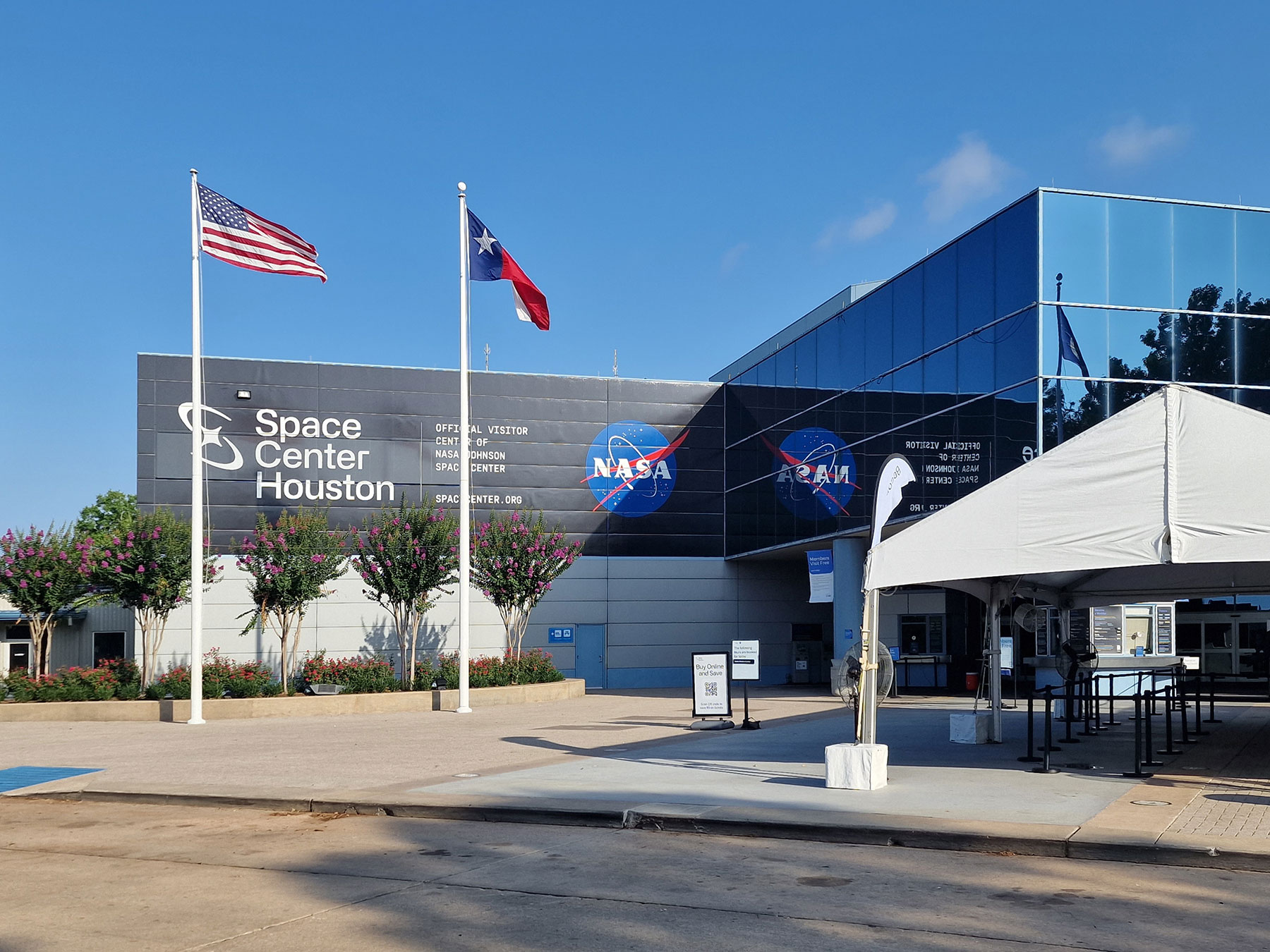
On the other hand, Space Center Houston, is the official museum and visitor centre of the Johnson Space Center. Here, you can explore various exhibit areas on past, current, and future space missions, view over 400 space artefacts and memorabilia, watch videos, and participate in interactive activities such as flight simulations. You can also reach the George W.S. Abbey Rocket Park via a dedicated tram and explore two buildings inside the Johnson Space Center. These buildings house the Astronaut training centre and the Historic control centre of the Apollo 11 mission. Remember Neil Armstrong’s iconic moonwalk? That was part of the Apollo 11 mission. Please note that to visit the training centre and the mission control centre, you’ll need a tram-specific boarding pass in addition to the general admission ticket.
How to purchase the admission ticket and secure a tram tour boarding pass?
The general admission ticket to Space Center Houston includes visiting the Rocket Park George W.S. Abbey and the Astronaut Training Center.
The tram tour to Rocket Park is offered to visitors on a first-come, first-served basis. You do not need a boarding pass to board the tram. When you enter Space Center Houston, you will see the boarding area, and you can join the queue. Tickets for this tour cannot be reserved. However, all tram tours will take you to Rocket Park at the end of the route. You can then take a different tram back to Space Center Houston but inquire about the schedules at the Guest Service Desk.
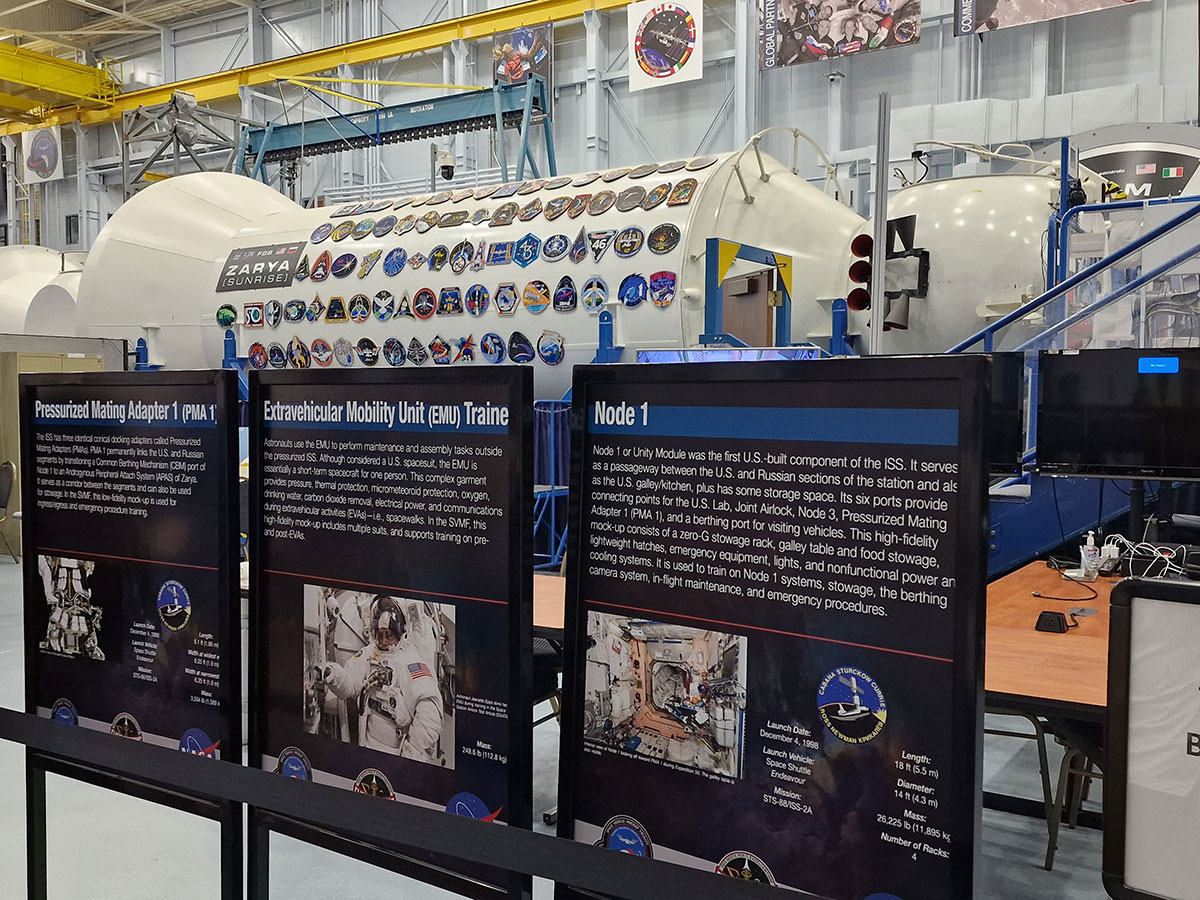
You will indeed need a boarding pass for the Astronaut Training Center tour. To request one, please go to the Guest Service Desk as soon as you arrive at Space Center Houston. Since the seats are limited, try to arrive early in the morning!
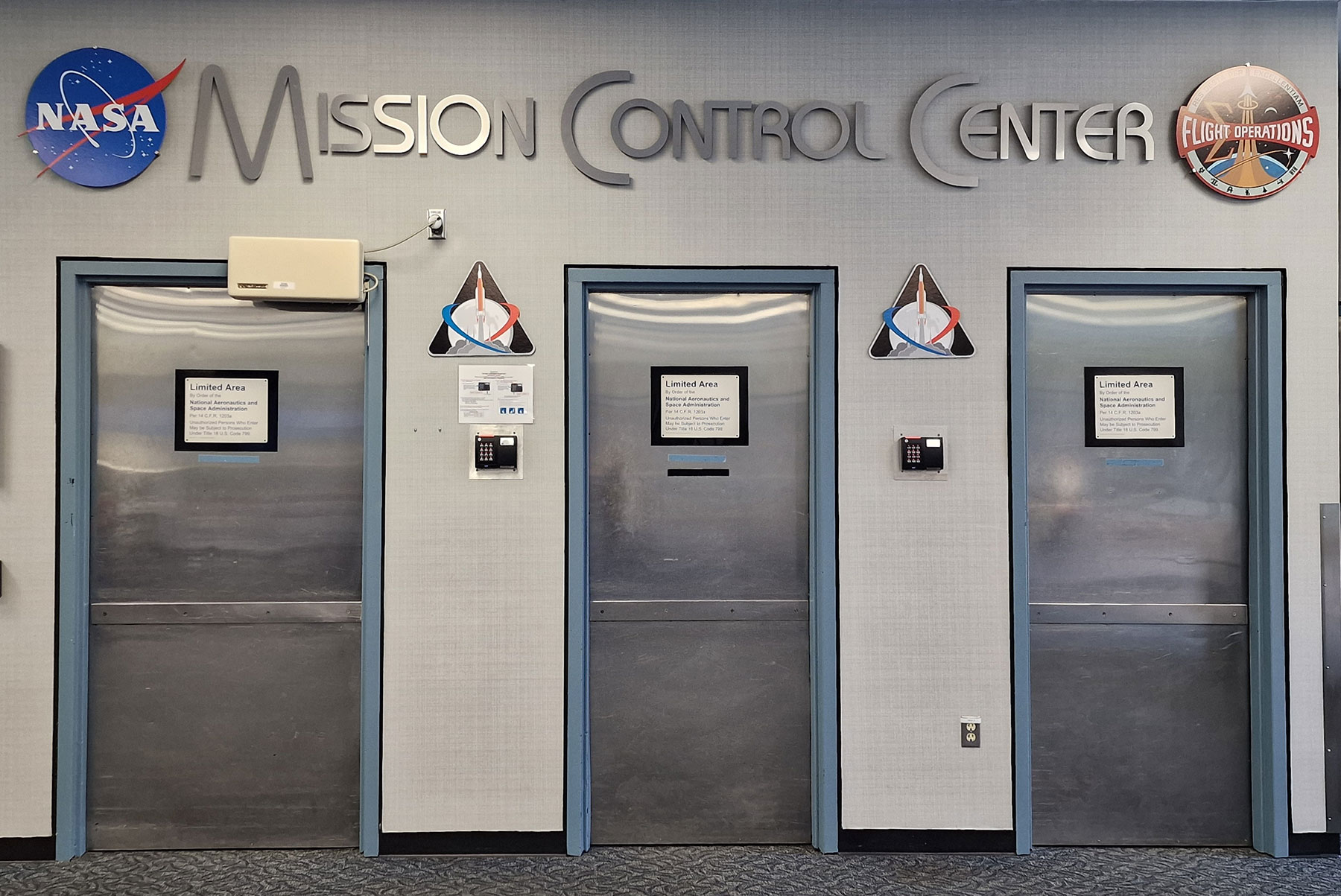
Another tram tour goes to the historic Mission Control Center. It is not included in the general admission, but you can reserve a visit at an extra cost when buying your admission ticket online selecting a specific time. The last tram tour departs at 3:20 PM, so plan your visit carefully! Availability for the Mission Control Center tram tour is minimal. Therefore, secure your boarding pass by booking at least two weeks in advance.
All tram tours are outdoors and may be suspended during adverse weather conditions. In case of inclement weather, Space Center announces closures on its homepage. Take a look!
You can purchase tickets online on the Space Center’s website, choosing the date and entry time. While you can also buy tickets on-site, online purchases will allow you to skip the line and proceed directly to the entrance turnstile.
In addition to general admission and integrated Mission Control Center tickets, you can also purchase NASA VIP Tour tickets on the Space Center’s website, which I will detail later. There is also a ticket for a breakfast with an astronaut during which you can hear stories and anecdotes from a real NASA astronaut. The ticket for all these exclusive experiences naturally includes visiting to Space Center.
If you plan to visit other attractions in Houston, it might be worth buying the Houston CityPASS. In that case, you cannot book your visit to the Space Center in advance. You just need to present your CityPASS at the Guest Service Desk. However, with the CityPASS, you won’t be able to book the tram tour at Mission Control in advance! Since this is a highly sought-after tour, you could risk not finding a spot when arriving at the Space Center.
What if you wanted to reschedule or cancel your visit?
If you purchase the ticket directly on the Space Center’s website, you can reschedule or cancel the visit for free up to two weeks before the scheduled date. Tickets purchased within two weeks of the visit are non-refundable. Alternatively, I’ll let you in on a secret. You can buy a skip-the-line ticket, which includes the training centre and Rocket Park tour on Tiqets, where you can reschedule or cancel your visit until 11:59 PM the day before.
What to see inside Space Center Houston?
During your visit to Space Center Houston, you will have the opportunity to explore five areas. Two of them, namely the main building and the adjacent outdoor area, are accessible on foot. The other three areas, Rocket Park, the historic Mission Control Center building, and the Astronaut Training facility, can only be reached by tram. Here’s a 360-degree preview of what you will see when you enter Space Center:
The predominant black colour and soft lighting really create a “spacey” atmosphere, don’t you think? On the second day of my visit, I arrived early at 9:00 to participate in the NASA VIP Tours. So, I got to enjoy the special atmosphere of Space Center when there weren’t many visitors yet. I also explored the ongoing setup work.
Where to begin your visit to Space Center Houston? Once you’ve entered, you’ll be free to choose where to start! On your left, you’ll find one of the most comprehensive collections of astronaut suits and space attire in the world, used on various occasions, from flight training to spacewalks.
Where to start your visit to Space Center Houston?
Once you’ve entered, you’ll be spoiled for choice in deciding where to begin! On your left, you will find one of the most comprehensive collections in the world of astronaut suits and space attire, used on various occasions, from flight training to spacewalks.
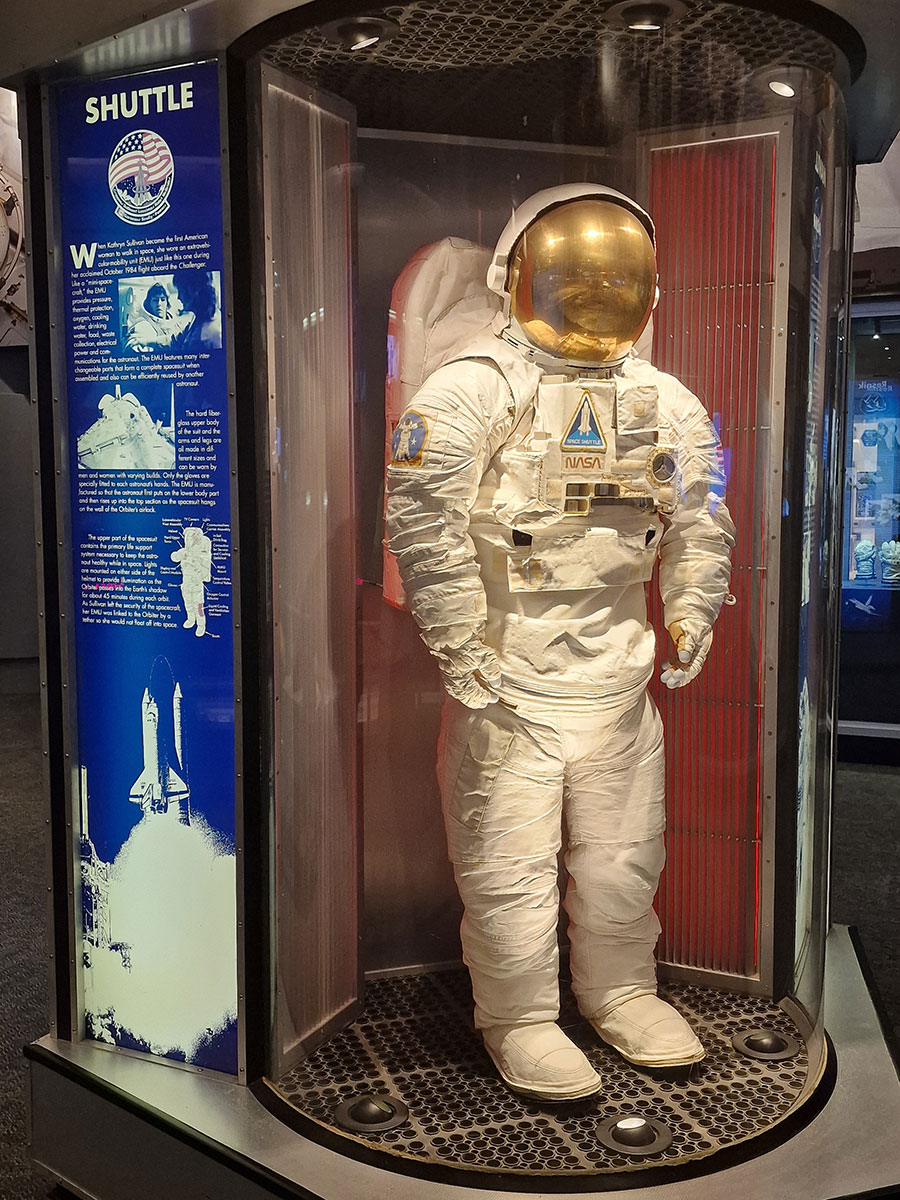

You can also see the suit that astronaut John Young wore during the first Space Shuttle flight in 1981, as well as the biological isolation suit of Michael Collins, the pilot of the command module for the Apollo 11 mission.
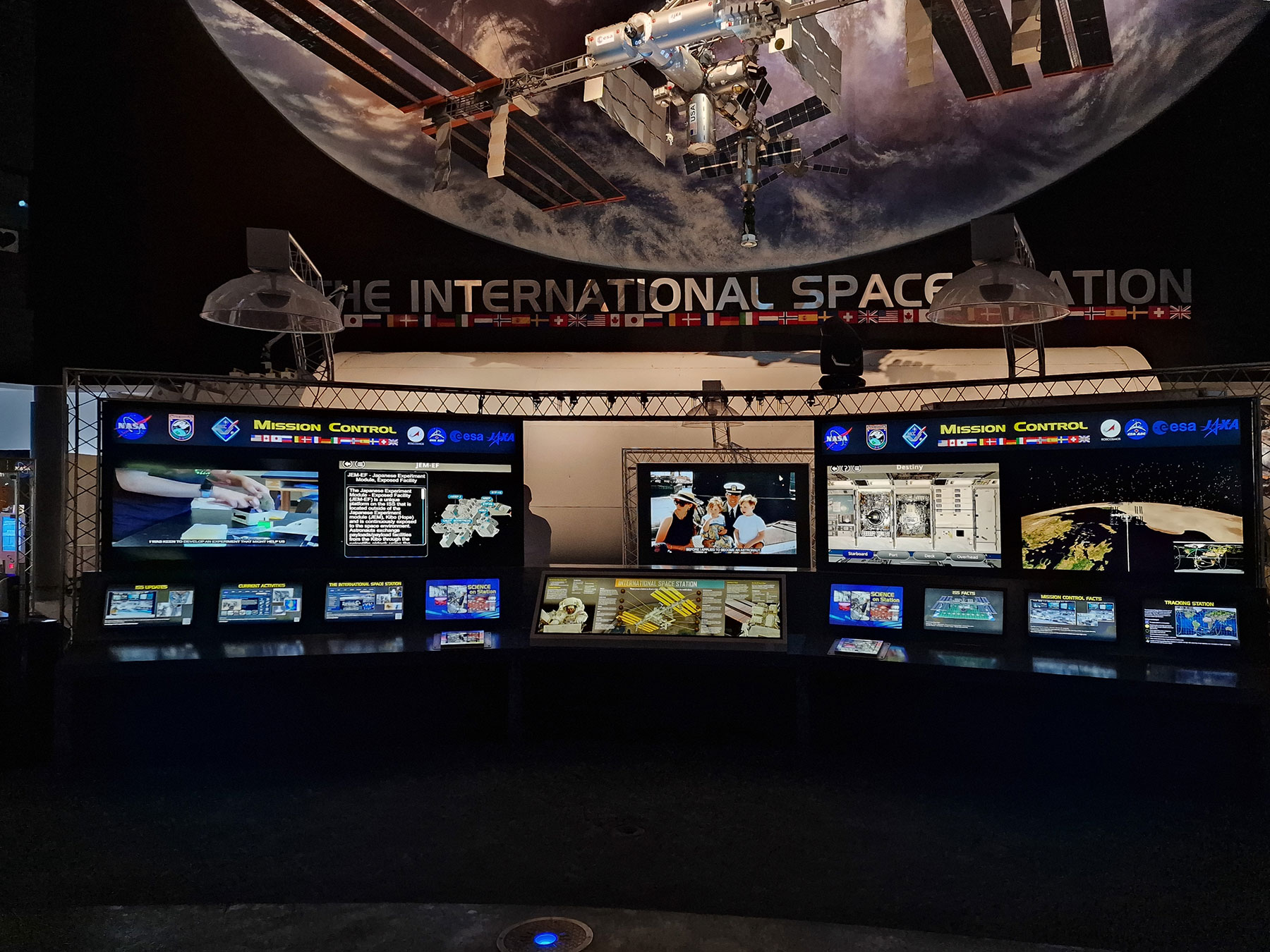
On the same side as the collection of space suits, you will also find the gallery dedicated to the International Space Station, the largest scientific laboratory ever built in space. This structure orbits the Earth at over 17,000 miles per hour and hosts astronauts from around the world. A daily interactive show called “Living in Space,” explains daily life on the ISS. To find out showtimes, please inquire at the Guest Service Desk.
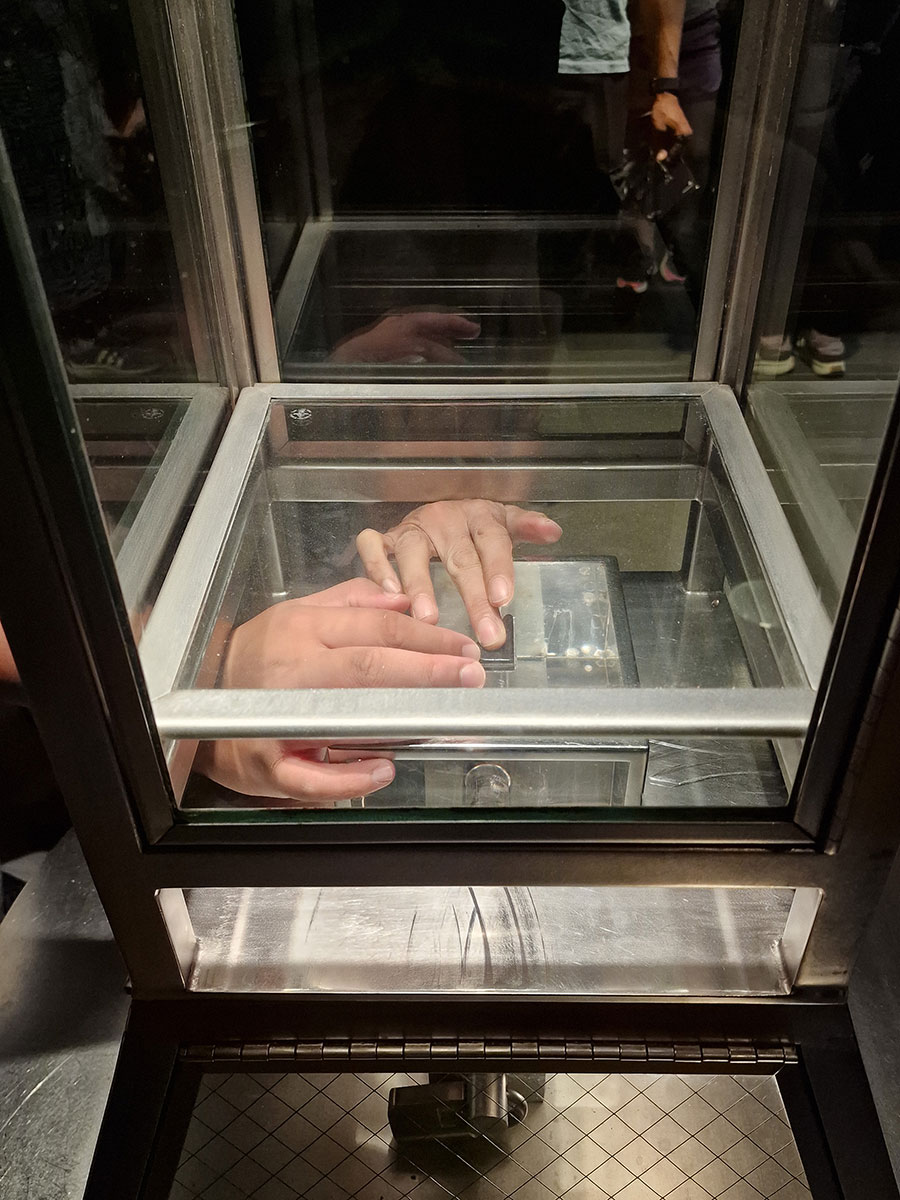
On the opposite side of the International Space Station, you will find the beautiful Starship Gallery, where you can see various lunar soil samples. Can you touch them? Yes! You can touch a fragment of lunar rock!
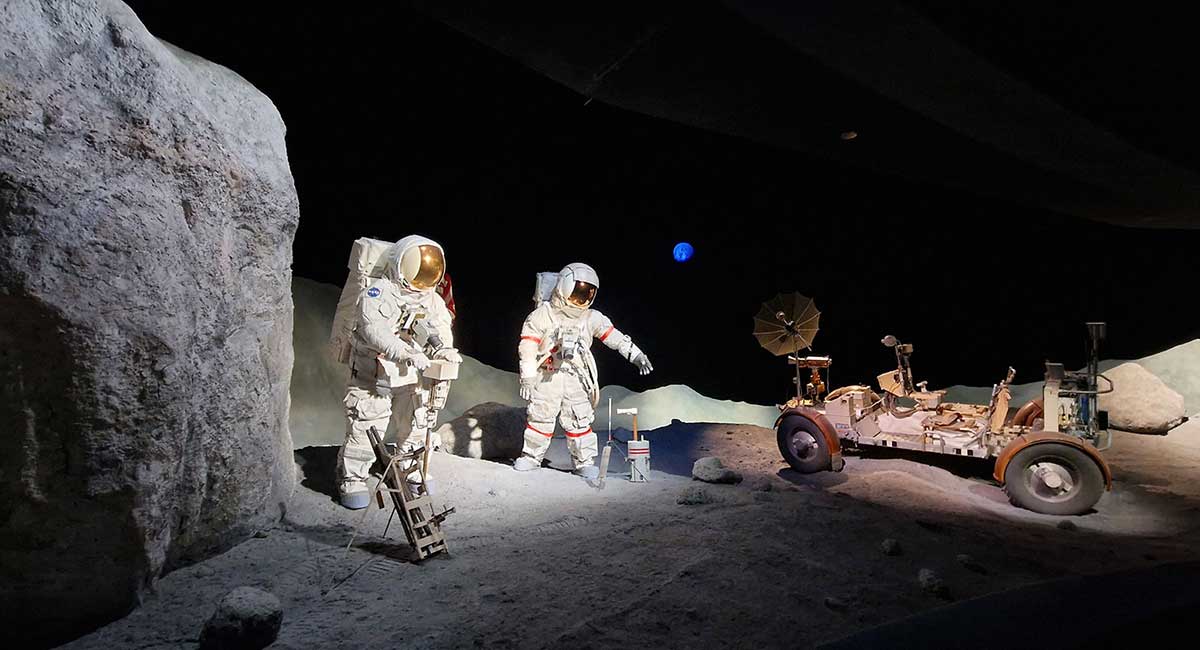
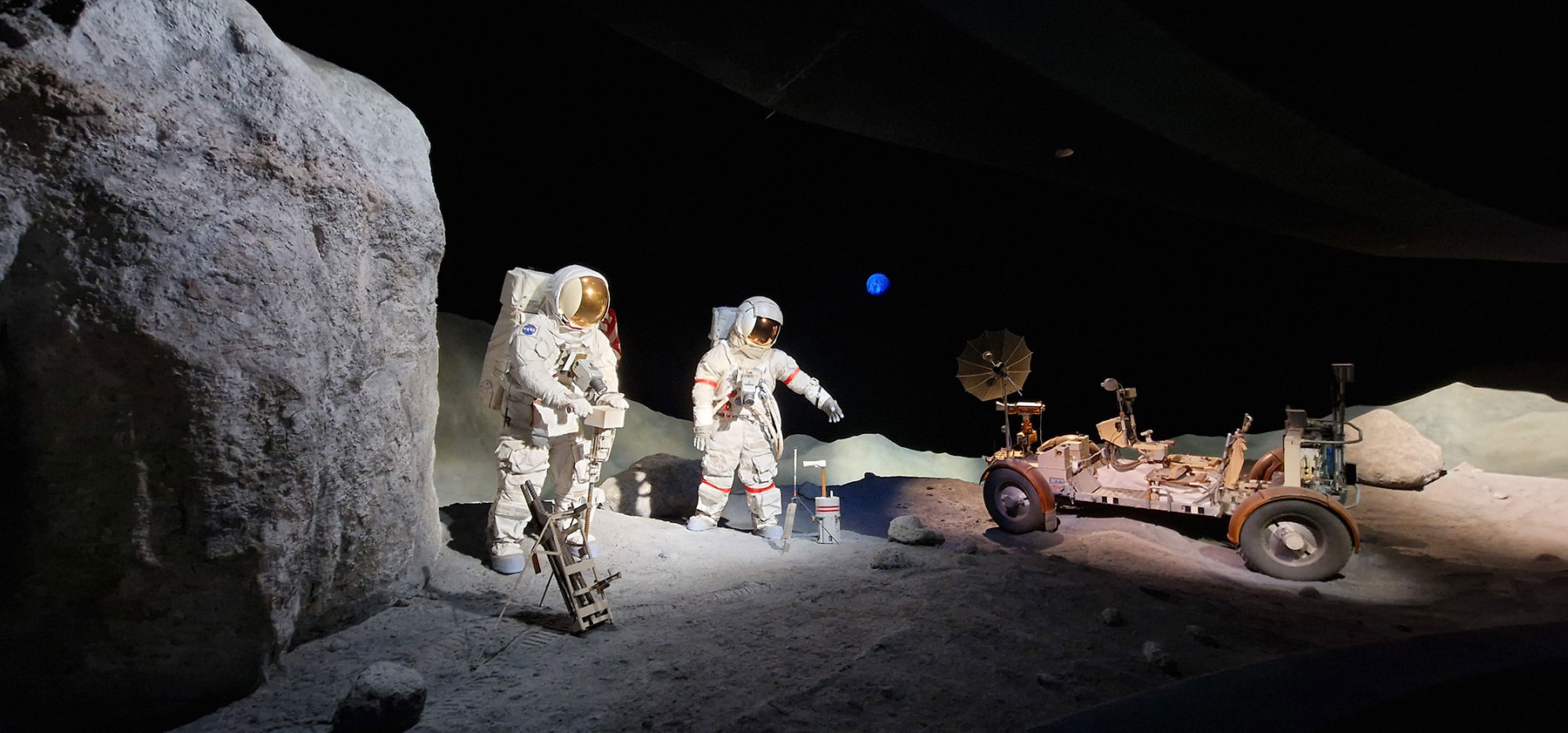
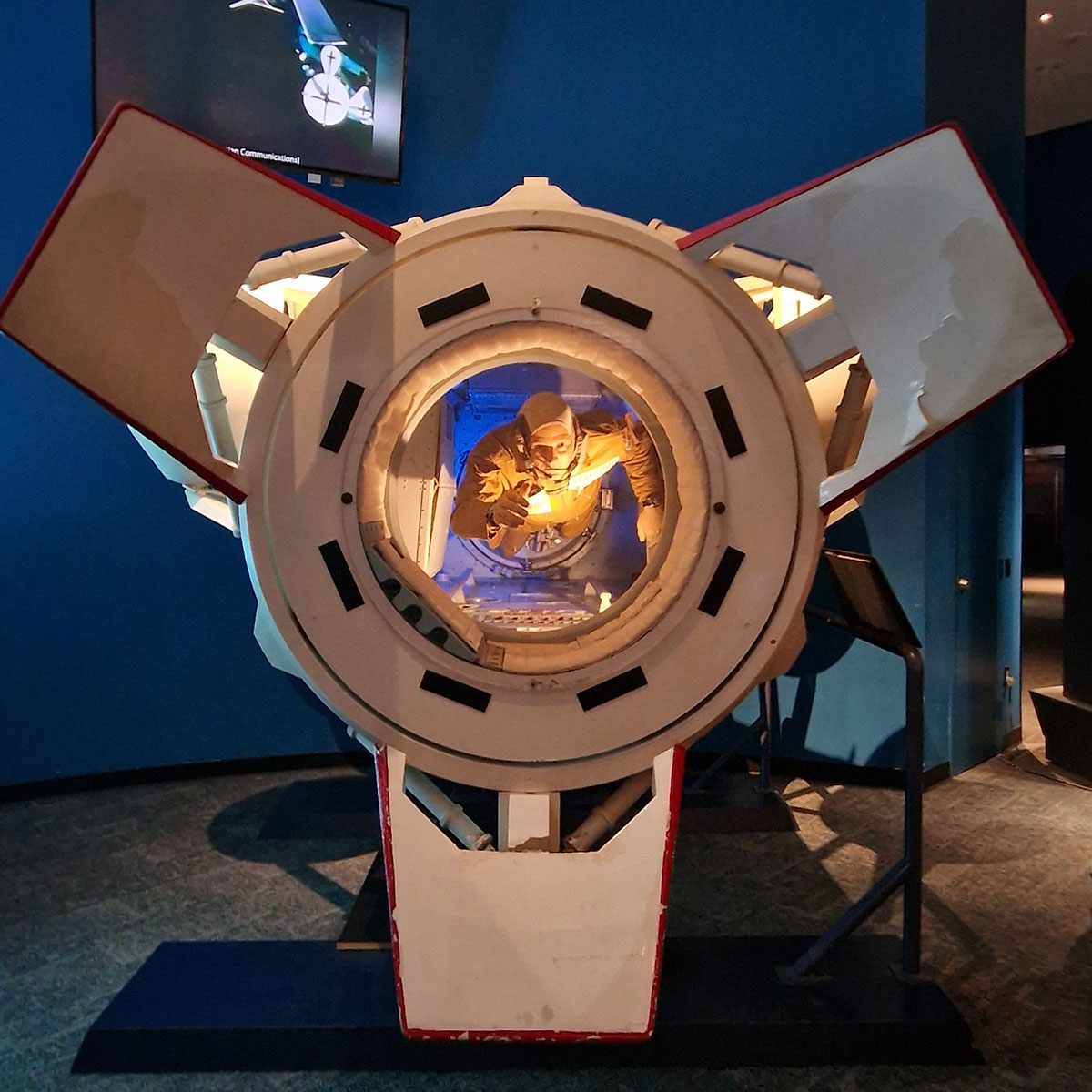
You will also admire several spacecraft used in actual flights, such as the command module from Apollo 17, the capsule from Gemini 15, and that from Mercury 9, the training module for the Apollo-Soyuz docking, a lunar rover simulator, and a life-sized Skylab training module (shown in the video below).
If you’re not well-versed in space missions, I recommend visiting the Starship Gallery after watching the documentary on the history of space missions in the adjacent Destiny Theater. I found it very informative, and it helped me understand the role of the spacecraft exhibited in the Starship Gallery.


Inside the Space Center Houston, is another theatre called the Space Center Theater. It is a state-of-the-art cinema where various documentaries and space-themed films are screened in 4K resolution. You can inquire about showtimes at the Guest Service Desk.
As you walk towards the tram boarding area, you’ll come across Mission Mars. This exhibition explains the obstacles yet to be overcome to reach Mars and the hypothetical life on the red planet when it is colonized. This exhibition is highly interactive and involves the use of various touchscreens. You can even touch a meteorite from Mars!
Not far from Mission Mars, the Artemis Gallery presents the program to return humans to the Moon by 2024. In this area, you’ll learn how the Orion spacecraft will be used to transport astronauts to the Moon and eventually to Mars. You’ll find various interactive exhibits explaining the technology and innovations that will make these missions possible.

In the Virtual Reality area, for an additional cost to the general admission ticket, you can hop on the Simulator Rides to experience the thrill of travelling among the galaxies and on the VR Transporter that will give you the sensation of moving outside the International Space Station. Put on the headsets and prepare for this immersive experience that will make you feel like an astronaut (or almost) for a few minutes!
What attractions can be reached on foot outside the main building?
Exiting the Starship Gallery, you can access Independence Plaza, where you’ll find a replica of the Shuttle Independence mounted on the original Shuttle Carrier Aircraft (SCA) called NASA 905. Independence is the only shuttle in the world mounted on an SCA.
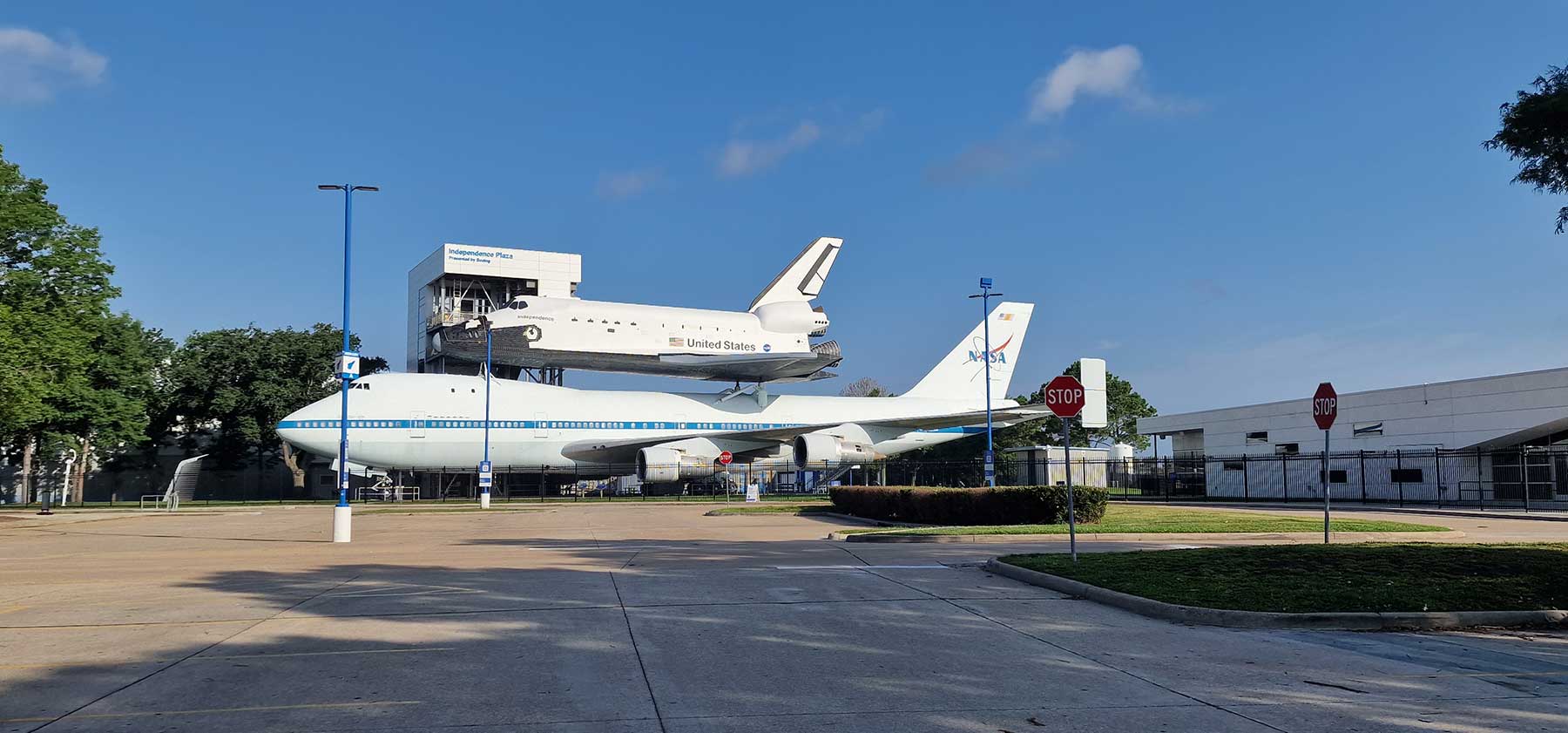
Visiting the inside of Independence was an extraordinary experience that made me feel like stepping into a piece of history. NASA 905 transported shuttles 223 times, accumulating over 11,000 flight hours over 42 years! Therefore, it’s a true legend in the history of aviation. And I was there inside (when NASA 905 had already retired, of course)! Inside the shuttle, you can explore the flight deck, where you’ll see how astronauts piloted the orbiter during missions. On the lower level, you can sense the tight spaces in the mid-deck. When you step out into the payload bay, you’ll see the equipment used for satellite retrieval in the STS-49 mission, during which three crew members walked in space simultaneously.
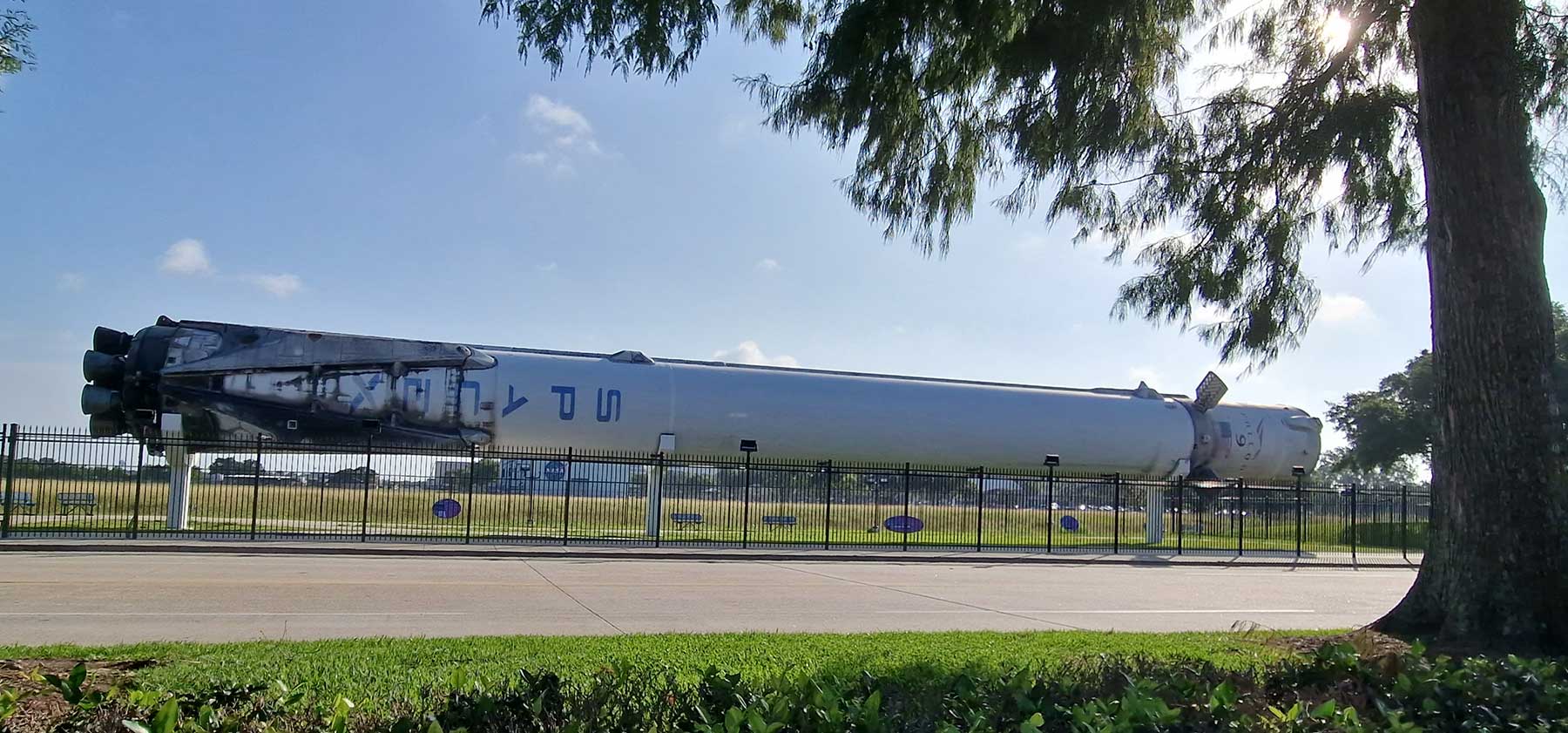
Not far from Independence Plaza, you can see the first “segment,” or more accurately called, “stage” of a SpaceX Falcon 9 rocket, known as B1035. Falcon 9 is positioned horizontally and about 14 feet above the ground. It has a length of over 47 meters and features 9 engines! Walking underneath it, I realized just how enormous it is! By making the first stage of Falcon 9 reusable, SpaceX can significantly reduce the cost of launching payloads into space. The B1035 on display was already used in 2017, among other things, for a resupply mission to the International Space Station.
What attractions of the Space Center can be reached by tram?
Three tram tours are available at Space Center Houston
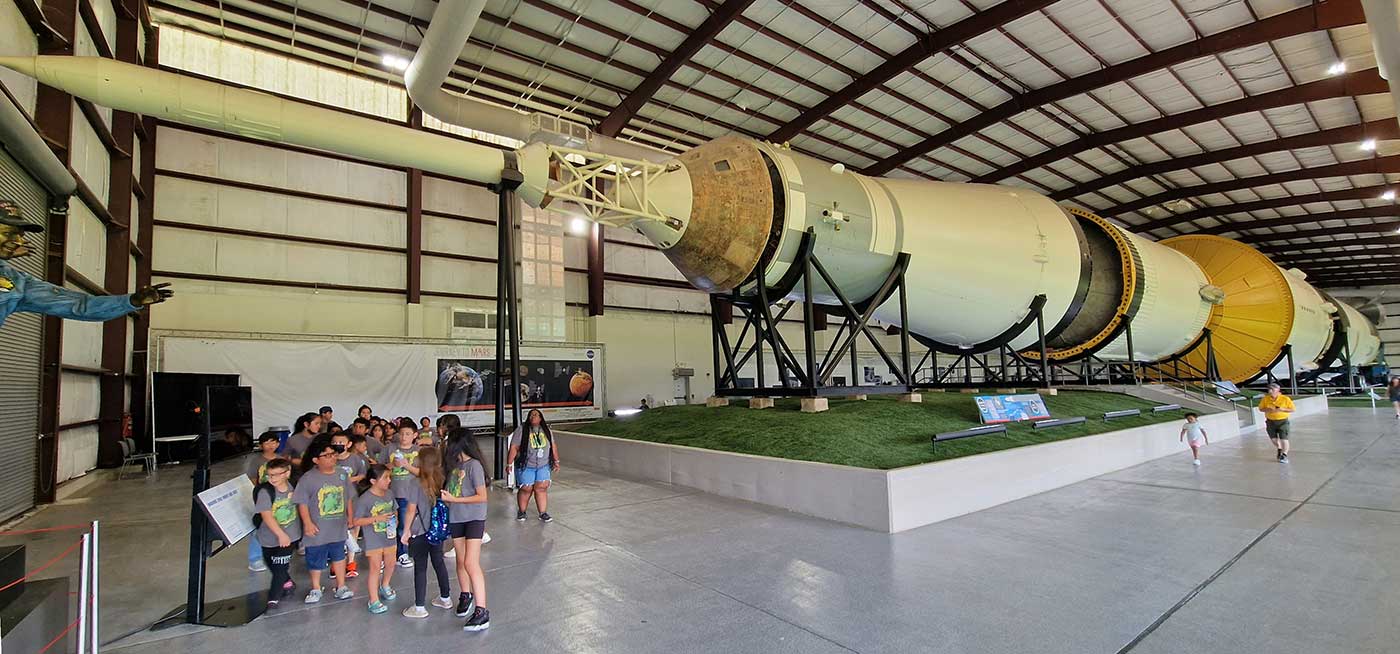
1. Tram tour to the George W.S. Abbey Rocket Park (Red Tour, 45 minutes).The main attraction of the Rocket Park is a Saturn V rocket, approximately 110 meters long. There are only three Saturn V rockets on display in the entire world. The rocket at the NASA Johnson Space Center is the only one with all the flight-certified components. The three segments of the rocket, known as stages, contain the engines necessary to lift off the ground and reach orbit. During the Apollo program, NASA primarily used the colossal Saturn V rockets to send astronauts to the moon. Saturn V also launched Skylab, the first American space station, on its final mission.
2. Tram tour to Mission Control (White Tour, 60 minutes).
This tour will take you to the Mission Control Center from which NASA managed the Gemini and Apollo missions, including the historic first moon landing mission, and the initial Space Shuttle missions.

3. Tram tour to Astronaut Training (Blue Tour, 60 minutes)
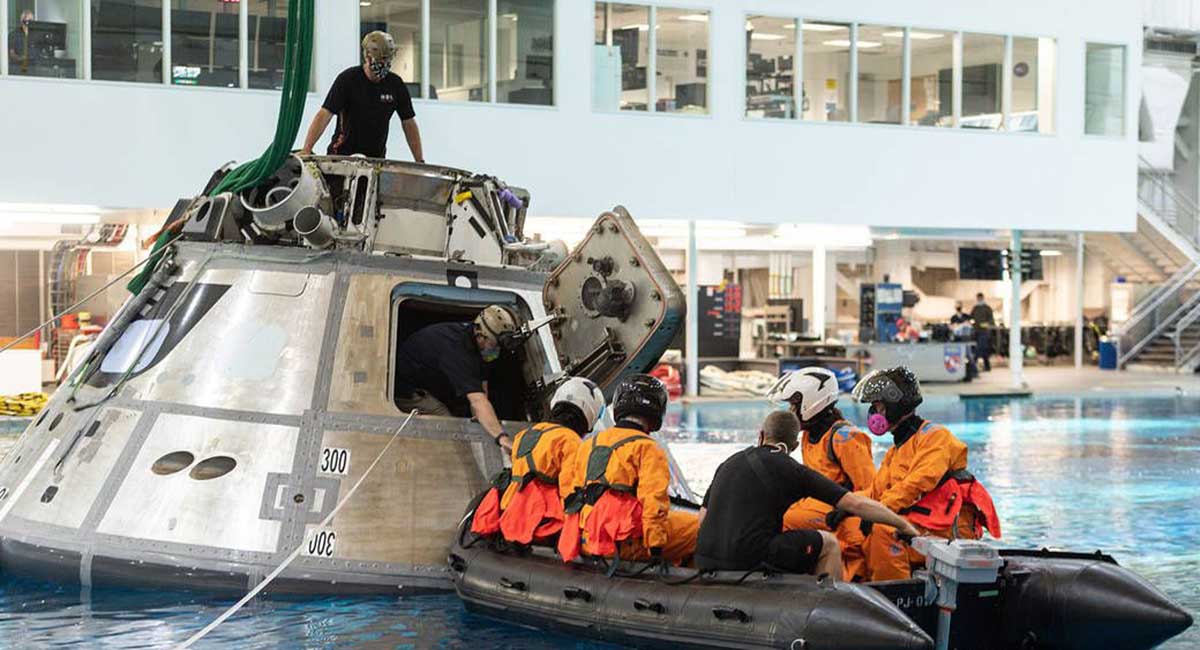
This tour will take you to the Space Vehicle Mockup Facility, where astronauts practice on replicas of spacecraft such as the ISS

What are NASA VIP Tours?
These are in-depth tours where you will also visit areas of the Johnson Space Center that are usually closed to Space Center Houston visitors. You will be transported in a private shuttle, accompanied by a guide and driver, in a small group of 10 participants. Two NASA VIP Tours are available: the NASA VIP tour of Mission Control and the NASA VIP tour of the Astronaut Training facilities. They are conducted twice a day, one in the morning and one in the afternoon, and both include admission to Space Center Houston. The VIP tours are a fantastic experience that I have detailed in two articles where I also explain the differences from the traditional tram tours titled Johnson Space Center: VIP Tour of the Astronaut Training facilities, and Johnson Space Center: VIP Tour of Mission Control.
Can you take photos at Space Center Houston?
You can take photographs and shoot videos almost anywhere, as long as it’s for non-commercial use. If you take the tram tours and NASA VIP Tours, you will have the opportunity to enter areas of the Johnson Space Center that house offices and training facilities. It is not allowed to take photographs inside offices or of employees working there without their consent. In no case is the use of tripods, selfie sticks, or devices for additional lighting allowed.
Before entering Space Center Houston, a photo will be taken of you, which will be used in montages with various Space Center backgrounds. These photos are not free! I chose not to purchase them because I did not like how they turned out. Also, in my opinion, a montage didn’t make sense when I could be “captured” in different places and poses by my tour companions. So, think it over and make your decision.
What to wear when visiting Space Center Houston?
Space Center Houston covers an area of approximately 250,000 square feet. Therefore, I recommend wearing comfortable, closed-toe shoes, which are mandatory if you participate in NASA VIP Tours. Check the weather and dress accordingly. For example, I suggest wearing a cap and sunscreen in summer and waterproof clothing with a hood in winter if you plan to take tram tours. Summer in Houston is hot and humid, with temperatures that can exceed 38°C. Winter is usually mild, with average temperatures ranging from 10°C to 18°C in December, January, and February, but they can drop below freezing for short periods and be accompanied by precipitation. I also recommend bringing a small, lightweight backpack to store personal items like water, a camera, and headphones.
Can you bring luggage inside Space Center Houston?
Before entering Space Center Houston, you must go through security checks. Backpacks, large bags, and suitcases cannot be brought inside the building. Bags larger than 8.5” x 11” are not allowed. Space Center Houston currently doesn’t have lockers to store luggage. However, if you cannot leave your larger bags at your hotel, you can book and pay for luggage storage on platforms such as Stasher or Bounce. Both have locations near Space Center.
How long does it take to visit Space Center Houston?
The time it takes to visit Space Center Houston depends on personal preferences and interests. Most visitors spend around 4-6 hours exploring the main attractions. If you wish to see everything at Space Center and participate in all the activities, I recommend planning a full day for your visit. However, if you only have a couple of hours, I suggest focusing on a couple of main attractions or delving into a specific experience, such as a tram tour.
What are the Space Center hours?
The Space Center is open every day except Thanksgiving and Christmas Day. As hours vary throughout the year, I recommend viewing the Space Center calendar prior to planning your visit.
Are there restaurants and shops at Space Center Houston?
Inside Space Center Houston, you can purchase a wide variety of souvenirs at both the Space Trader and a smaller shop near the tram departure area. These shops offer different items, so it’s a good idea to visit both. I bought a cute “NASA” cap at the smaller shop.
If you’re feeling hungry, head to the Food Lab, which includes Grounds Control (coffee and pastries), a Market (snacks and pre-packaged quick meals), Outer Crust (pizza and baked goods), Velocity Grill (grilled foods), Galaxy Greens (salads), Deep Space Deli (sandwiches), and Community Kitchen (regional dishes like Tex-Mex).
How to get to Space Center Houston?
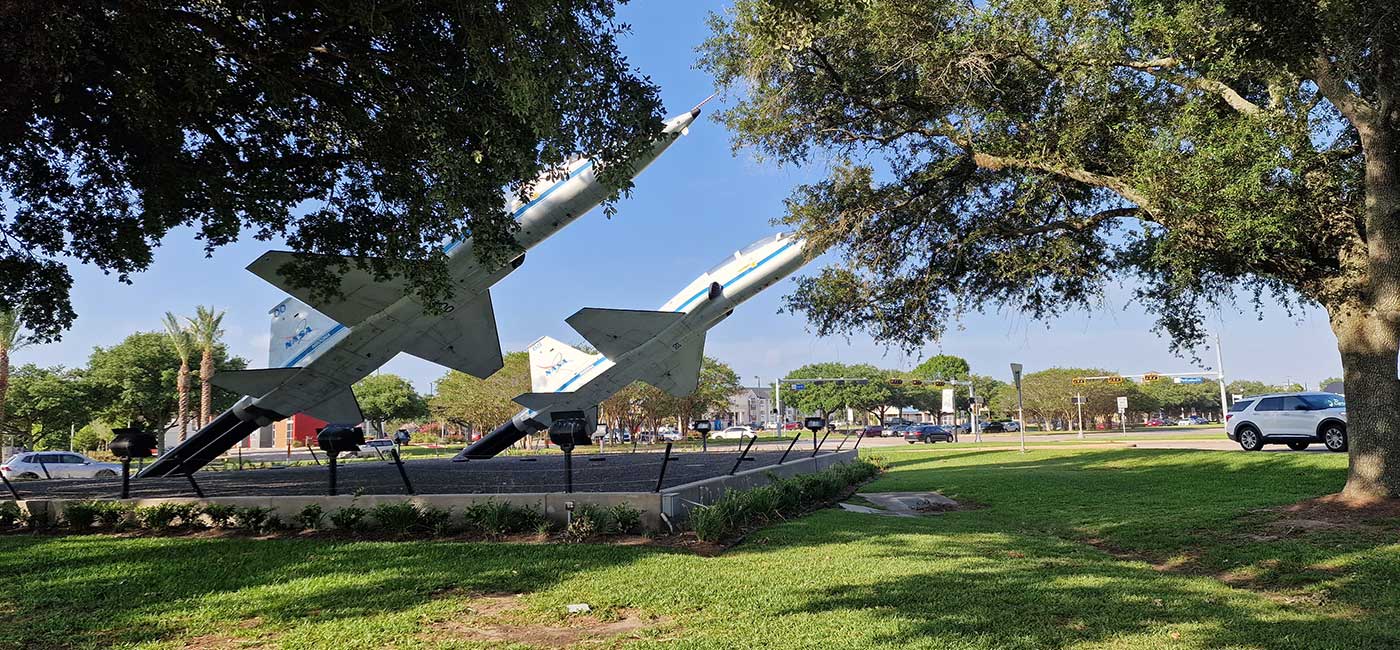
The Johnson Space Center is located at 1601 E NASA Parkway in an area known as the Clear Lake Area, about 26 miles from Houston, Texas. The region gets its name from a lake connected to Galveston Bay, which opens into the Gulf of Mexico. The Clear Lake Area is remarkable for its contrasts, as it offers both opportunities for adventure and connection with nature through its numerous natural parks, while symbolizing human progress and power with the presence of NASA.
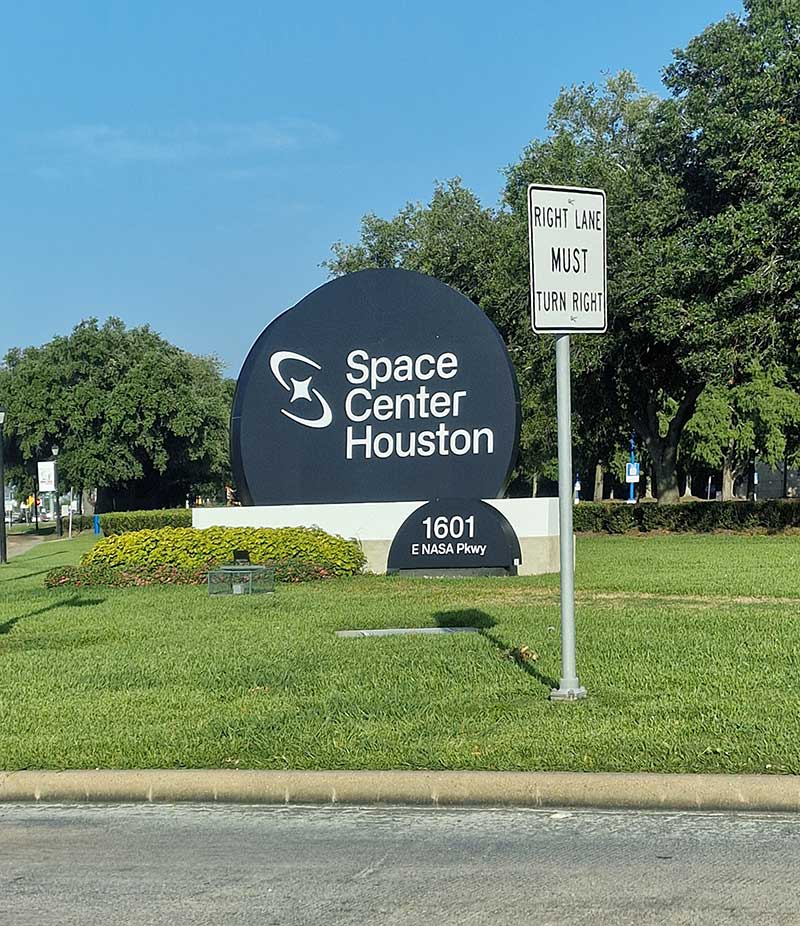
The most convenient way to reach Space Center is by car. Travel time is typically 30-40 minutes from Houston, but it can be longer depending on traffic. I recommend using Waze and Google Maps to plan your departure time and ensure you arrive at Space Center on time since tickets purchased online are timed.
An alternative to using your own car or a rental car is Uber. The ride from Houston costs around $30-40. The cost of a taxi, on the other hand, is around $65-70. If you prefer a private driver or shuttle service here are some options:
If you prefer the bus, you can plan your route and find the most suitable bus using Moovit, depending on your starting point.
You could also opt for one of the many group tours departing from Houston available on GetYourGuide or Viator. Some of these tours combine a city tour with a visit to Space Center. In any case, I recommend ensuring you have enough time to visit Space Center because it’s truly a unique experience!
Is there parking at Space Center Houston?
If you arrive by car, you can park in a large parking lot at the Johnson Space Center for $10 per day plus a service fee. You can pay upon arrival by scanning the QR codes around the parking lot and at the centre’s entrance. The parking lot also has an electric vehicle charging station. If you use an international phone number, visit the Guest Service Desk at Space Center to pay for parking.
Where to stay to visit Space Center Houston?
To visit Space Center Houston, I recommend staying either in downtown Houston or in Clear Lake. Both offer various accommodation options that you can choose through multiple search engines.
If you want to be close to Space Center Houston, Clear Lake is the best choice as it is only a few minutes’ drive away. This area also offers numerous parks, sports facilities, family attractions, as well as several restaurants and shops. So, you can combine a visit to Space Center with some outdoor activities, weather permitting.

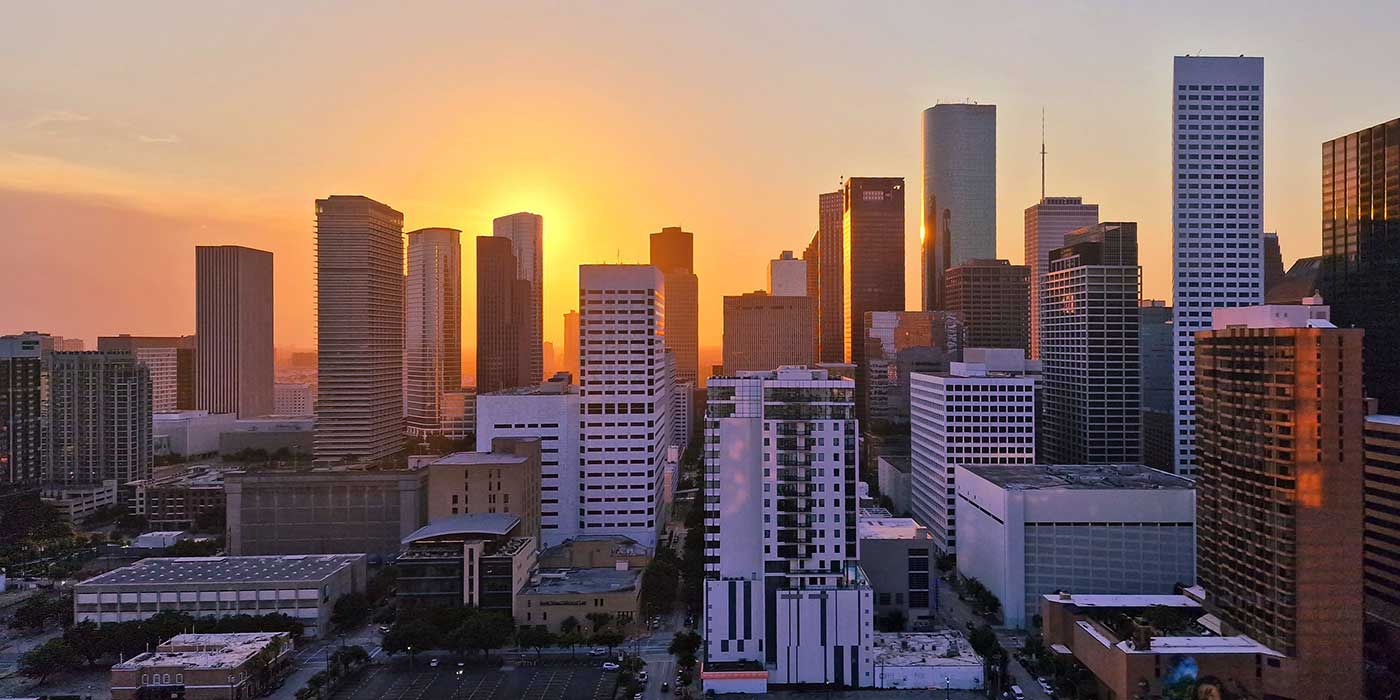
I stayed in downtown Houston because I was there for work in the days leading up to my visit, and I didn’t want to change hotel for just one night before departure. In Houston, I admired one of the most beautiful sunsets ever.
Is Space Center Houston accessible?
For more information or specific questions about accessibility, I recommend visiting the Space Center Houston website or contacting accessibility@spacecenter.org or calling +1 281-444-2100.
When to visit Space Center Houston?
Space Center is the main attraction in Houston and, as such, it attracts many visitors. The busiest times are holidays, weekends, and summer months. Additionally, Space Center is often visited by school groups. Students visit the centre throughout the year, but the primary months are March, April, and May. If possible, I recommend visiting Space Center Houston on weekdays to avoid long lines and wait times, especially for tram tours.
What else to see in Houston and Clear Lake?
Aside from Space Center, I haven’t had the time to visit other attractions in Houston. For those who, unlike me, have the time to explore the city, be aware that Houston offers exciting museums like the Museum of Fine Arts and the Museum of Natural Science. The Houston CityPASS provides discounted access to five attractions, including these two museums and Space Center Houston. Additionally, I recommend checking out this article on activities to do in Clear Lake and the Bay Area. You’ll find suggestions for 365 things to do in Houston!
If you found this article interesting and are interested in an in-depth visit to the Lyndon B. Johnson Space Center, don’t miss my articles on the NASA VIP Tours. You will read about real astronauts and NASA scientists at work!